Ahem! People pleasers of the world, UNITE and read!
Are you, or is someone you know, a people pleaser? Many people pleasers readily admit their desire to please. They will raise their hand and say, “Oh that’s me! I’m such a people pleaser.” People pleasers know themselves. They know they would rather give in with sweet, sweet capitulation than make a fuss about what they really want. They know instinctively that when they meet a stubborn person, their desire to please and avoid conflict far outweighs their own needs and opinions.
What some pleasers do not see is how their good (pleasing) intentions can lead to sabotaging their relationships and their lives. They do this by not having personal boundaries.People pleasers lack personal boundaries. They let bad behavior persist even when it’s damaging the relationship and creating resentment.
The word boundary is a little murky. Boundaries are a property line. They are the line that defines where you end and someone else begins. Once we establish this is me and that’s you, then we know who is in control of what. When boundaries get screwed up is there is one person out of control. The consequences of their actions are falling over the property line, on their beloved neighbor, the people pleaser.
People pleasers struggles to keep up boundaries. They would prefer allowing someone on their property to trample their grass and break windows over setting limits and saying no. Some people who lack boundaries have a hard time noticing they are unhappy and actually doing something about it. They have adopted the role of pleaser so completely that instead they focus on enduring. They no longer have a clear idea of their preferences. They may disregard their own intuition to fulfill another’s wishes. They can feel hurt and victimized, but usually avoid being angry.
Some might consider themselves silent sufferers. Others consider themselves very kind and charitable. And this is where it gets really screwy. Not asking your neighbor to respect your property line is going to RUIN the relationship. How unkind is that?
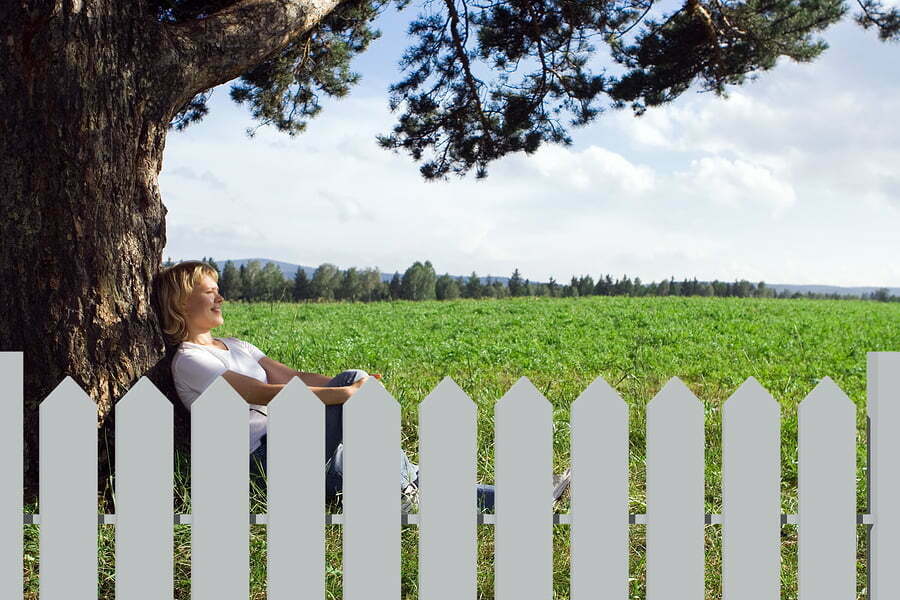
When we talk about setting a boundary, we arn’t talking about erecting Fort Knox complete with barbed wire and watch tower on our property. We are talking about not allowing behavior that will hurt the relationship. I like to imagine my boundaries as a picket fence around my yard. When the visitor is trusted and tried, I can unlock the gate for their visit. When their behavior only causes the relationship hurt, I keep my fence shut. I am not punishing them but rather letting them know that the relationship is worth protecting and they need to take stewardship for their actions if the relationship is going to thrive.
The irony is that when pleasers fail to set boundaries, they often end up over compensating in the end and building a Fort Knox. Inevitably this makes them feel much worse than if they had set a healthy expectation to begin with. Yet pleasers do it over and over. After numerous occasions of being hurt, walked on, and having the ugliest trampled lawn in their neighborhood, they one day have had enough. They then erect Fort Knox. The visitor is banned, never to be trusted again. People pleasers lose more friends than they know when they seek to keep friends happy instead of keep the relationship healthy.
How to we change this travesty? David Richo explains some ideas for personal actions we can take to maintain healthy relationships.
1. Ask directly for what you want. Be more assertive and get out of your comfort zone. Use “I” statements. Rehearse. Practice saying no. Keep your emotions in check. Start small. Explain why you are setting a boundary. Make sure the boundary is motivated to protect the relationship, not punish your friend. The boundary should put the responsibility into the proper property owner’s hands.
2. Foster self-nuturance. Get ongoing support from a therapist, friends, and family to build yourself up. Build up your own intuition and preferences. This intuition will let you know when you have run across a hurtful or abusive relationship.
3. Observe other’s behavior towards you. Take it as information that will empower you to decide if you are influenced by their drama, anger, or flattery.
4. Maintain a bottom line. A limit to how many times you will allow someone to say no, lie, or betray you. This includes confronting addiction and exiting futureless relationships.
5. Change your locus of trust from others to oneself. Let go of your expectation for security and trust yourself to be able to receive love and handle hurt; to receive trustworthiness and handle betrayal; to receive intimacy and handle rejection.
… Coming soon… Part 2: The tactful way to set boundaries and expectations for healthy relationships.