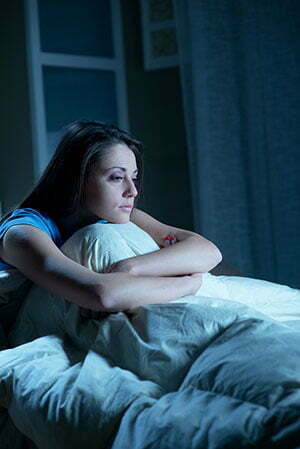
 Do you ever have trouble falling asleep? Is it difficult to fall back asleep if you wake during the night or early in the morning? Do you tend to get sick more when you struggle to sleep?
Difficulty sleeping can be very frustrating and can impact your health. Studies have shown that your immune system’s success in combating illness hinges on the cumulative sleep from the previous month. This is one of the many reasons why it is important to develop healthy sleep etiquette to help you better fall asleep and stay asleep with more consistency. Here are some suggestions on the dos and don’ts of sleep routines.
Don’ts:
- Don’t watch television in bed that you have not seen before, or that may spark some interest in your mind.
- Don’t use your computer, tablet, or smartphone in bed right before going to sleep.
- Don’t take naps – even if you are really tired. They throw off your evening sleep cycles.
- Don’t have a clock where you can see it while trying to fall asleep. This can raise anxiety.
- Don’t eat a heavy meal right before bed.
- Don’t go to bed hungry.
- Don’t drink a lot in the evening. Too much fluid may make you get up frequently to use the bathroom.
- Don’t exercise in the evening.
- Don’t focus on problem solving, stressful issues, or work problems in the 2 hours before bedtime.
- Don’t allow your kids to sleep in your bed.
- Don’t rely to much on over-the-counter sleep aids. Most of them are simply antihistamines that may help you fall asleep, but they significantly impact how deeply you can sleep. They will prevent your system from getting into the deep REM sleep that is needed for your system to be fully rested.
Do’s:
- Go to bed at the same time and wake up at the same time every day.
- Get regular exercise during the first half of the day.
- Get some exposure to sunlight during the day.
- Keep a notepad near your bed to write your thoughts and worries when going to bed so you know you will remember to deal with them the next day.
- Keep the temperature in your bedroom cool.
- Keep your bedroom dark.
- Be able to stretch out in bed so you are always comfortable.
- Mask noise with a white noise machine.
- Read a book (that is not too engaging) for a few minutes before bed.
- If you can’t fall asleep in 15 minutes, get up for a minute or two and then try again.
- Only use your bed for sleep, sex, or light reading.
- Use earplugs if your significant other snores.
- Get rid of the box spring and flimsy metal bed frame underneath. Instead get a solid bed frame with no wheels and use slats under the bed instead. This setup is very popular in Europe and rising in popularity in the US. It will help prevent you from feeling the movements of your spouse if they roll around a lot, get out of bed, etc.
- Breathe deeply counting to 5 as you breathe in through your nose and count to 5 as you breathe out through your mouth. This counting and breathing will calm your body and distract your mind from whatever may be keeping you awake.
Following these do’s and don’ts should help aid in your ability fall asleep and stay asleep with more success.