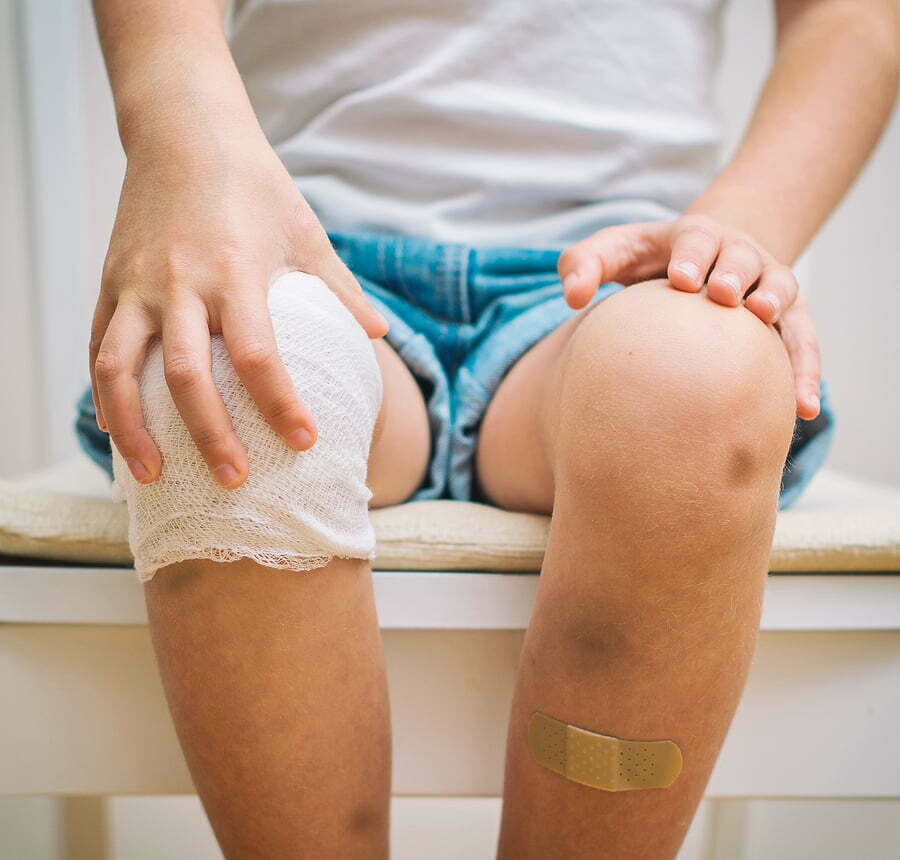
Recently, I was juggling several pans and a box of saran wrap. The box slipped and cut into my fourth finger like a deep paper cut. As a quick reaction, I dropped the cardboard saran wrap box. Everyone in the room noticed. My cut finger was a big enough deal to stop conversation and merit the group wide search for a bandaid. I also earned several compassionate glances before the conversations continued.
Physical hygiene and physical self care is learned at a young age. We know what it expected. As Guy Winch, Ph.D. put its, even a child knows to get a bandaid for their cut and that they are supposed to brush their teeth twice a day. (click the link to hear his TED talk)
We do ourselves no favors when it comes to emotional hygiene. We are expected to manage it ourselves yet has ever taught us how to do that. Our brains are fascinating. They are built to worry, fret, remember sad things, and perceive threats. As I mentioned before in a post, our brains can be terrible masters. I bet you can remember the last 10 things that happened to you that were bad. You can remember the guy who cut you off, losing your keys, or having a difficult discussion. It is more difficult to remember the last 10 good things that happened… AND THIS IS NOT A CHARACTER FLAW. It is a brain design. Incidentally, it is why keeping a gratitude journal is research proven to improve mental health. It’s also why we can remember lots of traumatic and sad things happening to us when we were kids.
Your brain is made to latch onto the bad because those are the worries which are more likely to help you survive. Nowadays, we aren’t so much concerned about sabertooth tigers as we are our jobs, our relationships, and the ultimate destruction of our perceived happiness. Somehow we discount our internal issues. For instance, we would prioritize getting a bandaid over getting comfort. Brain scans show that emotional pain shows up in the same place in the brain as physical pain. Meaning, emotional or physical, YOUR BRAIN FEELS PAIN IN THE SAME WAY. It is pain. So stop ignoring your internal pain and practice good emotional hygiene.
Good emotional hygiene means:
Being mindful of your thoughts.
Doing daily checks for stress, pain, emotions.
Addressing internal issues as if they were actual wounds which could fester if left unattended.
Purposefully internalizing the good, because your brain wont do it for you.
Noticing how your thoughts may be distorted.
Watching the link between your thoughts>emotions>body>and eventually behavior.
Taking rest, doing meditation, and clearing your head.
Purposefully avoiding the loop of anxiety or depression your brain is playing on repeat. This is also called rumination. It is self torture. Stop it.
Staying present and practicing grounding techniques.
To learn how to do this, you can seek professional therapy or individual therapy. There are also many resources available online and in bookstores to give you a start.