 One in three people live in blended families. Though I am not a fan of labeling blended families, the term can highlight the unique challenge of finding tolerable ways to blend the lives, experiences, expectations, and dreams of all involved. I have seen some blended families that have been the family that many involved always wanted. I have seen others that are full of friction and trials. Finding ways to bring the worlds of multiple families and family members together is a trial few will appreciate if they have not lived it. However, the outcome can be very positive and rewarding if navigated well.
If you are part of a blended family, does it feel like oil and water? How do you blend? I have combined my experience assisting blended families and the work of nationally-acclaimed blended family expert, Dr. Patricia Papernow, to highlight many of the common struggles and potential solutions that may help blended families blend:
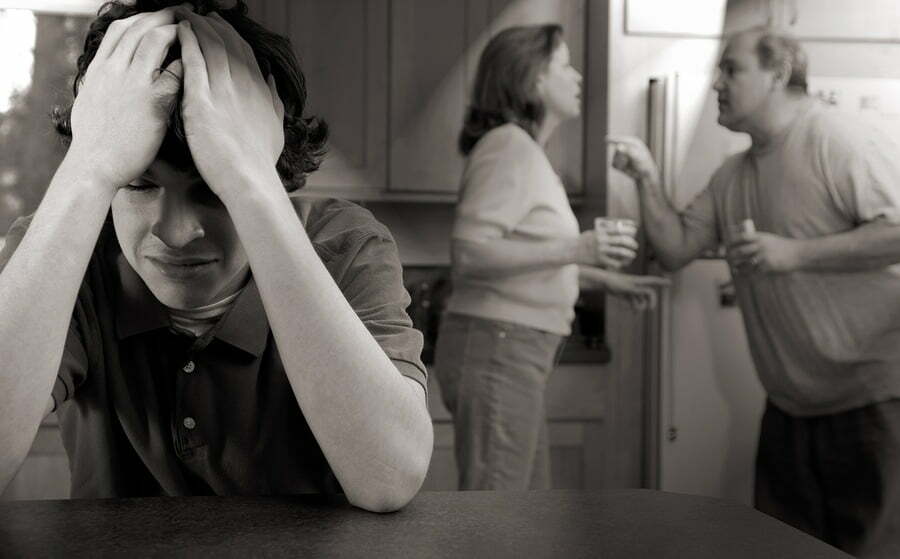
Challenges children experience: Divorce and/or blending new families can be very difficult for children to navigate. Research has suggested that the biggest struggles children face is dealing with the loss of the family they once had or hoped to have, and finding ways of maintaining loyalties in the new family setup. When parents divorce, or a parent is lost to death, the children often maintain strong love for both parents. If a new step-parent and step-siblings are brought into the picture, children often feel guilty expressing love or feeling close to the step-parent or step-siblings. They often feel this somehow betrays the love they have for the other parent or siblings. It is worse if the parents and/or step-parents don’t get along, and the children are aware of the friction. As a parent and/or step-parent, the best thing you can do is focus on getting along with all the adults involved. You don’t have to love each other, but try to help the kids feel that you all respect each other.
Parenting challenges: The most common issue faced by parents and step-parents is finding middle ground when parenting styles differ. Parenting styles include a mix of firmness/permissiveness and kindness/hostility. If one parent is more permissive and kind while the other is more permissive and hostile, problems will result. Parents that use the same styles will likely find few problems meshing their styles. Try your best to align your styles and reach compromises. A brief aside: research has consistently shown that kind and firm parents will be the most effective.
The other parenting challenge that often surfaces is children responding differently to discipline from parents and step-parents. Research has shown that children will generally respond better to discipline from their parents than their step-parents. The parents should be the ones to deal with tough discipline issues. Day-to-day issues should be dealt with by both parents and step-parents so the kids know all adults are to be respected. Make sure you are 100% consistent with each other on the day-to-day issues. Parents should avoid challenging each other in the presence of the children.
Couple Relationship Struggles: When couples get married and create a new blended family, they are often a bit older than what we typically call newlyweds. They come into the new relationship with more experience, opinions, traditions, expectations, and established ways of living their lives. It is often difficult to align these realities and still feel love for one another. Couples should remember that if differences exist and you get your way, your new love doesn’t get their way. Compromise is key. If either of you get your way, then the other doesn’t. Focus on creating new ways of living that share both of your realities, while creating a new one that will carry you through life together forever.
Blending families can be complicated. However, when blended families are created, they can be just what everyone involved wants and needs. If you focus on compromise and selflessness your blended family can be wonderful.