What do you expect in a therapy session? People often come into the therapy office wanting advice, fixing, and wondering what the magic wand is that therapists learn to wave in all those years of school.
As a musician, I have listened to and performed countless notes, combinations of harmonies and rhythms, and worked for innumerable hours to be in tune with the performers around me. You very rarely perform alone as a musician. And there are important principles that apply across all performance that we lean on, share, and refine. So I can tell you if a trumpet is in tune, hear when the percussion has rushed a rhythm, and notice if the vowels of the tenor section are brighter than the rest of the choir. Likewise, hours of practice on a violin can give me a sense of where and how others fit into the texture of the larger group. The value in having a trained listener includes opportunity to perform, receiving trusted feedback, and making choices about the feedback in order to refine abilities.
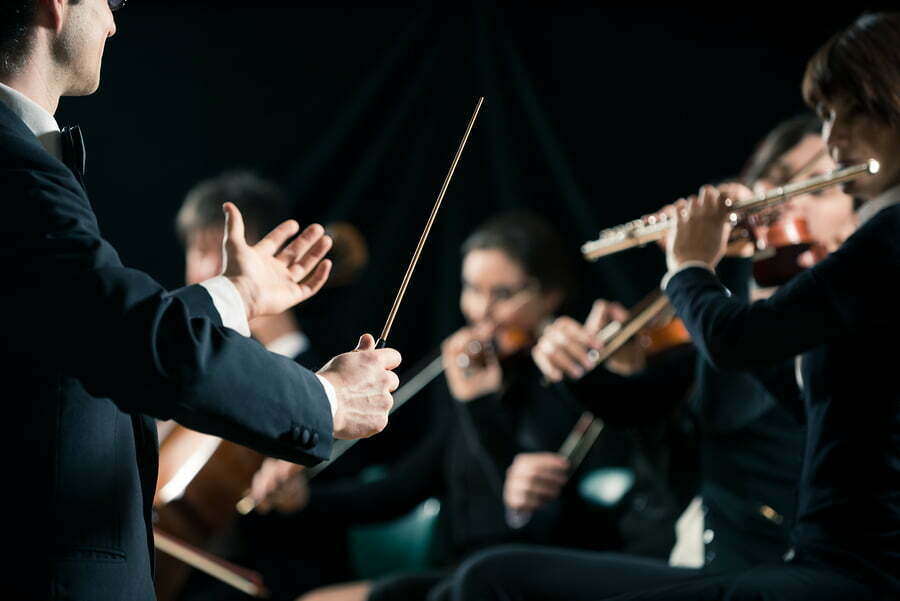
As therapists, we practice listening to emotions, exploring human experience, and reflecting it back so that you can explore and make sense of that experience. Our studies involve everything from being exposed to an expansive range of human experience, to learning the mechanics of asking questions, and listening to the many ways that people communicate. We may offer a new perspective, work to expand your thoughts about options, practice coping skills, and point out processes that you engage in as habits. Like slowing down a musical passage in order to tune each note and attain rhythmic precision, a therapy session may involve a slow walk through a thought process in order to examine the values, habits, and even thinking errors that only need to be noticed in order to correct them. In couples therapy we may work by walking through a conversation or an argument with the therapist as an unbiased pause button, pointing out where communication skips essential bits, and facilitating a backtrack in order to completely communicate, or we may review new skills that enhance communicating those bits that we skip over. I’ll let you in on a secret. Those are my favorite bits. We often stop expressing the hopeful, loving, and validating parts, because we assume they are known. As therapist, I notice where a couple works from that assumption without expressing the best parts of each other, and it does something wonderful to speak and to hear the good things. I think maybe that’s where some of the magic of counseling lives.

I love being a therapist. It’s an adventure in exploring the complexities of human experience, relationships, values, and discovering richness in life. Like I said, people often come into therapy wanting advice, fixing, and wondering what the magic wand is. I like to say that therapy is less about advice and fixing, and more about exploration and discovery. As we uncover your thoughts and values, you get to make powerful choices regarding what to do with it.